Showing posts with label Landscape. Show all posts

Thursday, March 26, 2015

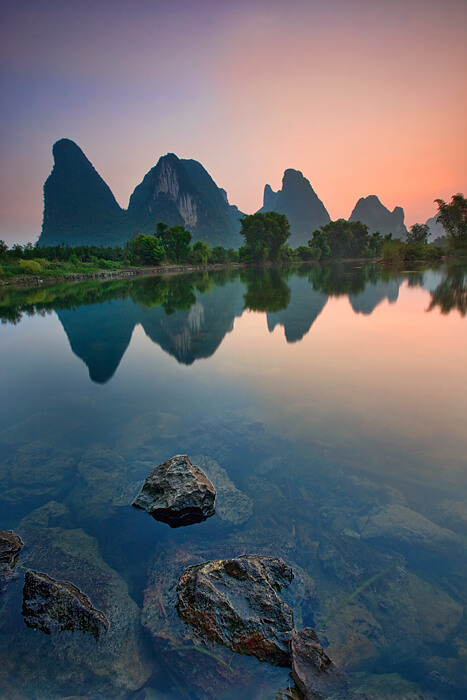
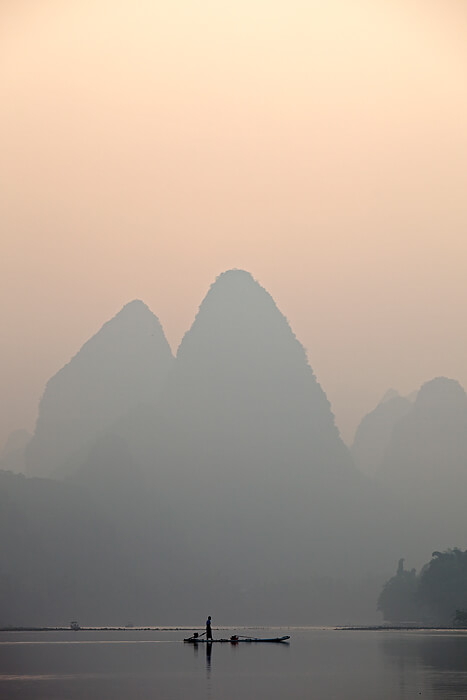
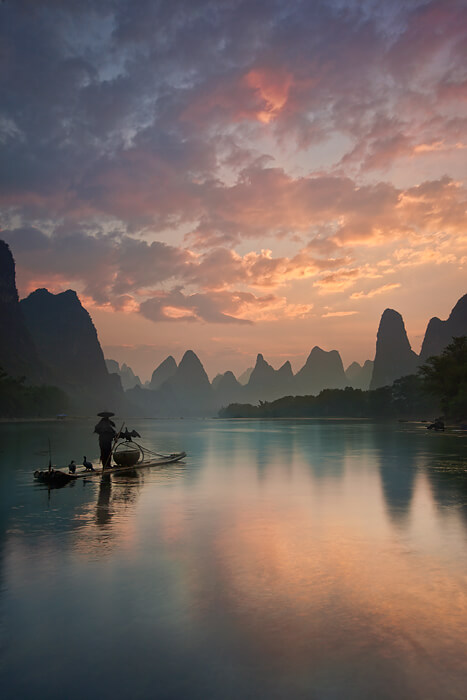
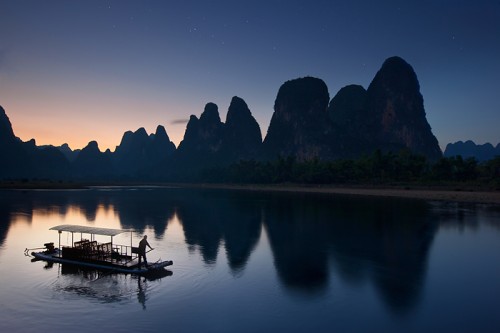
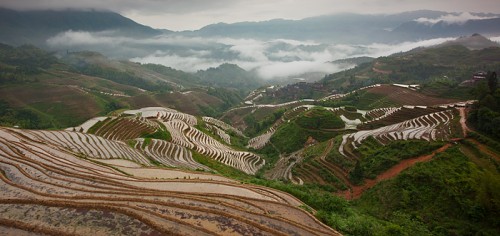
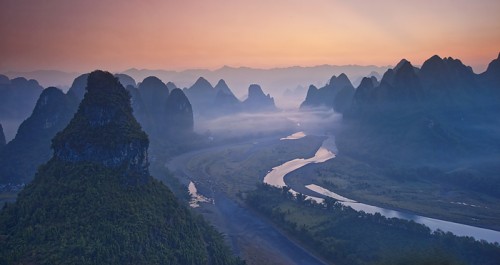
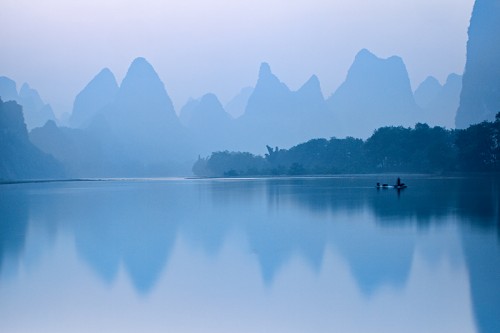
Beautiful Photography of the Magical Li River by Yan Zhang


Today we would like to introduce you to a fantastic photographer, Yan Zhang. Yan is a Computer Scientist and a full-time university professor with specialization on Artificial Intelligence in Sydney, Australia. Yan started Digital Photography in 2007 and now devotes his passion to landscape photography. His photography focuses on grand landscapes of oceans, sky and mountains, as well as fine natural substances.


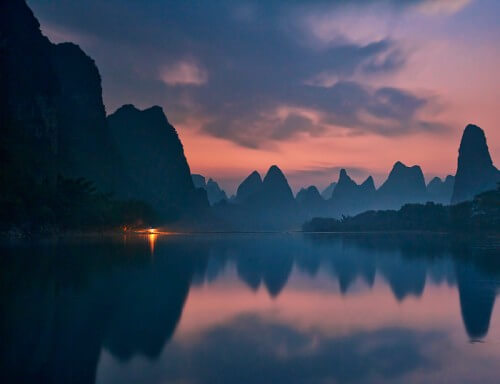
Today we will showcase his collection of Li River photos. Yan first visited the Li River in 2006. Since that time he has been back 5 times exploring and capturing the beauty of the river.


Below is a sample of the breathtaking images Yan captured on the Li River. If you would like to see more please visit his portfolio site: http://yanzhangphotography.com.


Li River


Li River


Li River


Li River


Li River


Li River


Li River


Li River


Tuesday, September 10, 2013

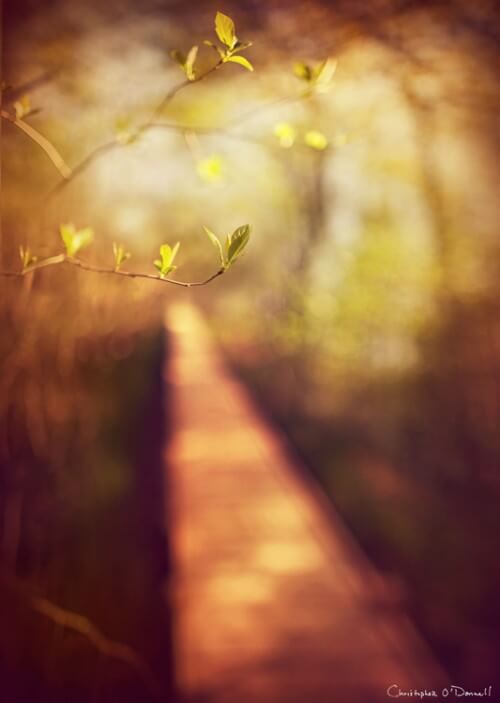
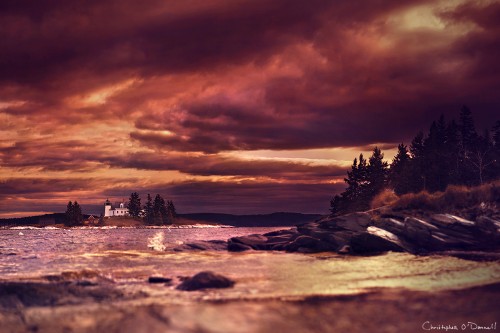
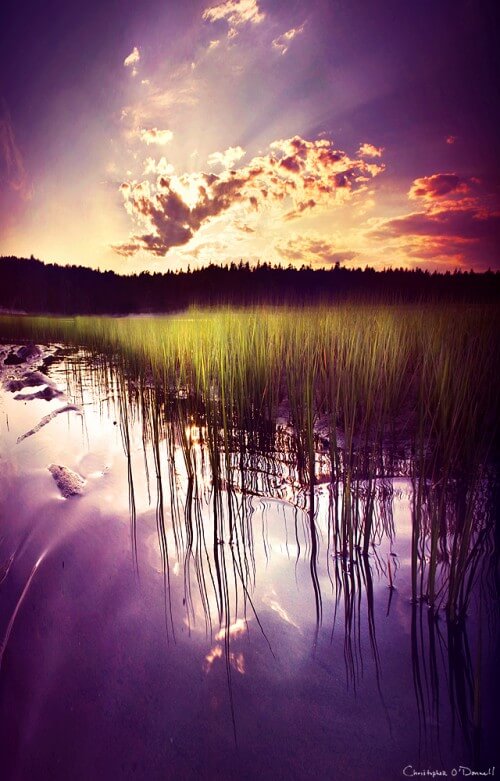
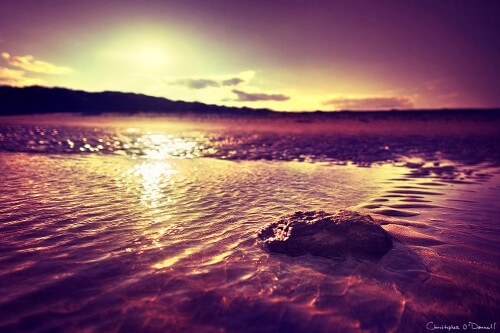
Surreal Landscape Photography by Christopher O’Donnell


If you follow this blog you are very familiar with the work of Christopher O’Donnell. Chris has been a prolific contributor to the site with excellent insight on the world of landscape photography.


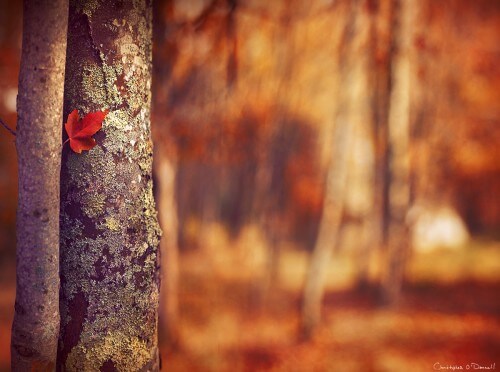
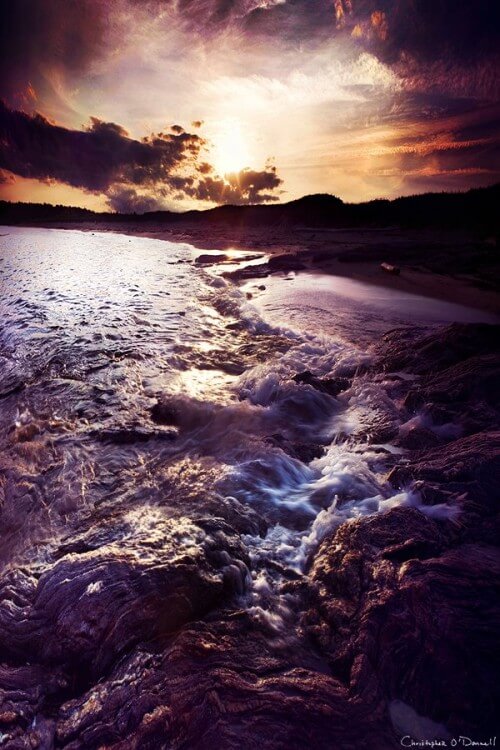
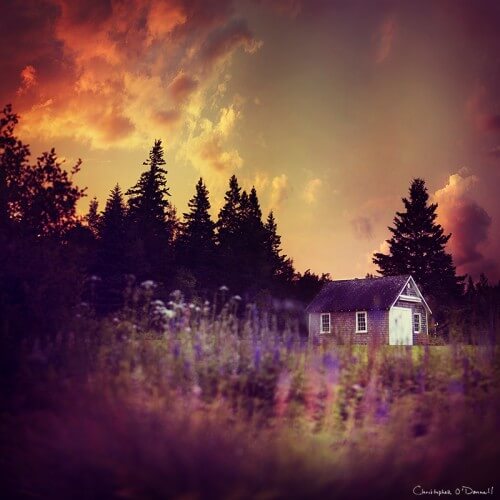
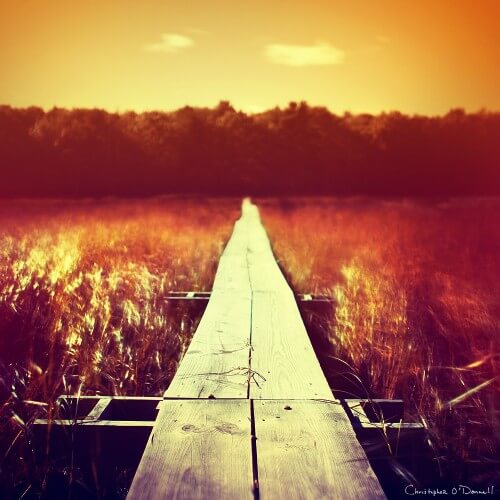
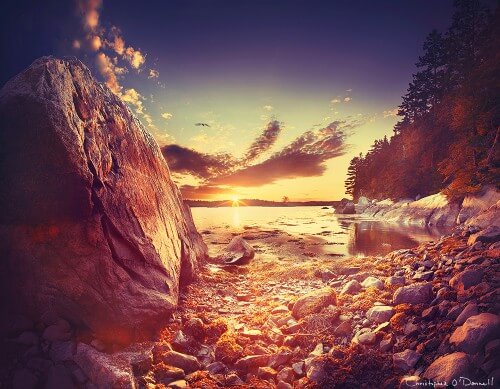
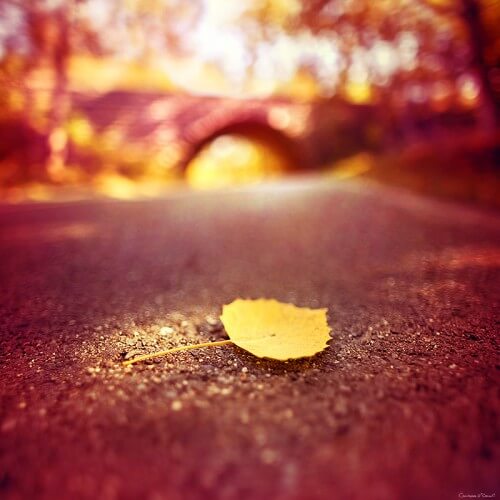
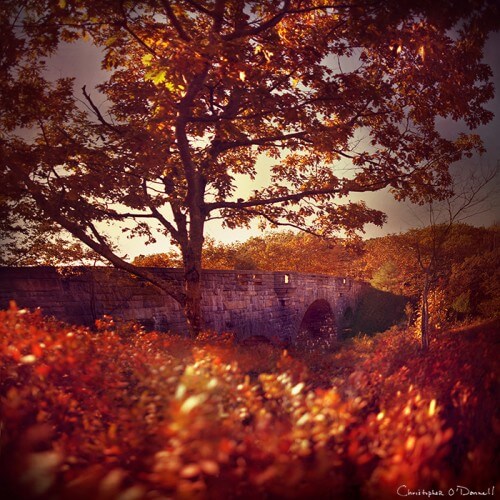
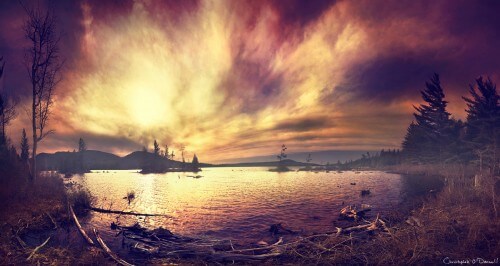
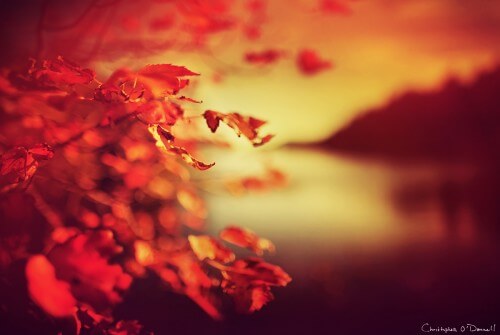
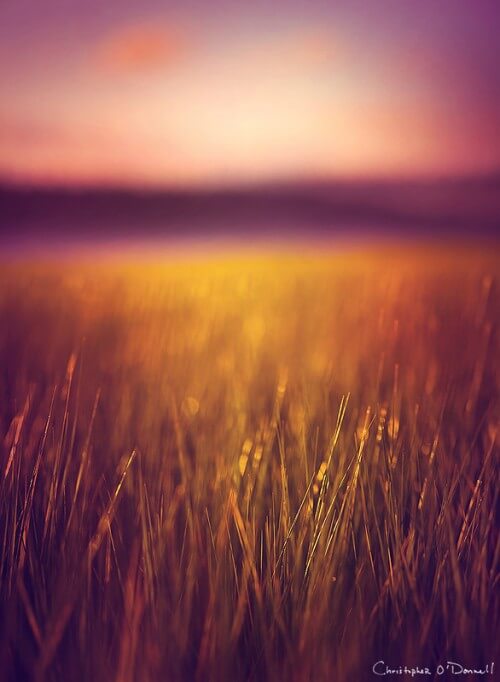
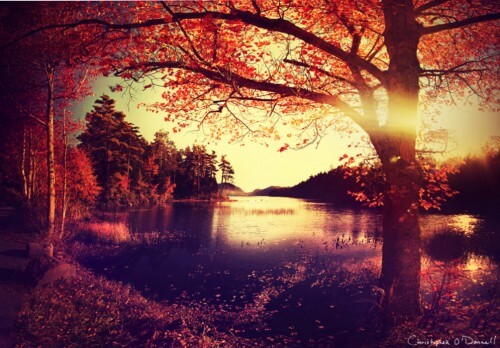
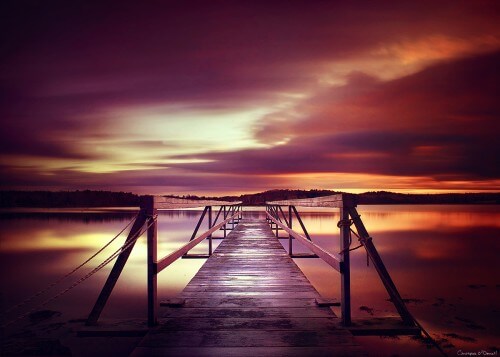
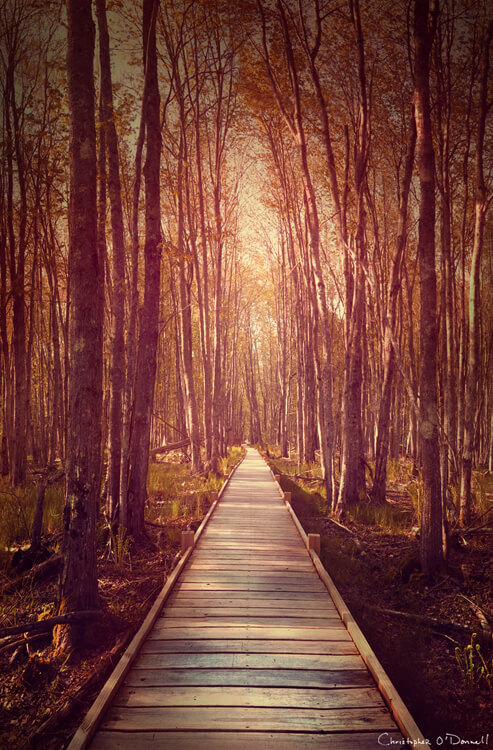
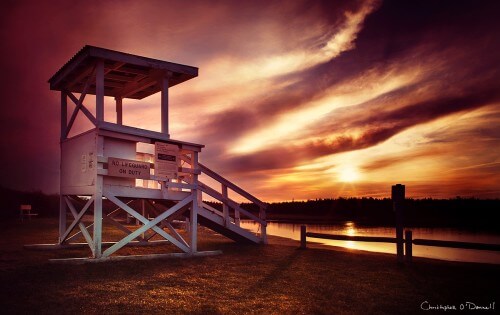
Today we would like to showcase some of Christopher’s amazing photography. Interesting compositions and unique post processing make his images stand out as surreal works of art.


Autumn's Bloom


before_sunset


Blue Hill


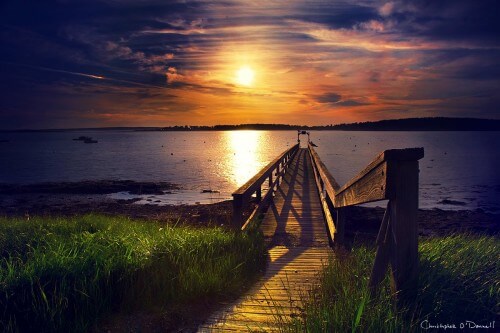
boardwalk


Down East Sunset


Stitched Panorama


duck_brook_bridge_ii_sig


eagle_islands


eagle_lake_iv


stillness_of_summer1


Stitched Panorama


Penobscot Bay II


Stitched Panorama


Stitched Panorama


lagoon


potts_harbor


Pumpkin Island


Stitched Panorama


summer_solstice


Winter's Light


If you would like to learn how Christopher achieved his unique look you can check out his latest eBook, The Art of Color Processing.


In this eBook Christopher will explain his color processing workflow in a step-by-step fashion, guiding you through each stage from start to finish. He also explores the history of his creative development and what led him to discover his own techniques which in turn will help you discover yours.


Below is an excerpt from The Art of Color Processing.


Processing with a Vision


The digital darkroom is a versatile creative tool that allows your expression to materialize into the visual world. Creating with vision and intent is very different than simply knowing how to use a processing tool. You can learn the techniques needed to use Adobe Photoshop and other processing programs wisely and accurately, but in order to truly express your creativity and tap into your artistic soul, a connection needs to develop between you and your subject - and this connection is what fuels your visual expression.


Knowledgeable processing may attract an audience, but without that connection, you will find it to be a shallow experience. The disparity will weigh heavy on your artistic soul and you will not be satisfied creatively - and when we aren't satisfied artistically, we lose interest since it no longer brings us the joy it once did. Your images will become monotonous as the novelty wears off, and you will see that processing without a vision or emotional connection is simply not fulfilling.


You can already have a connection to your work, but not have the means or knowledge to express it. You'll hear photographers say "you had to be there" in an attempt to convey that moment, and there is a lot of truth to that statement. I feel that this is from not being able to explain the deeper connection one has to a particular image, or at least in a way that others can experience as well. As a result, photographers rely on processing as a translation tool to express their connection – and their ability to translate is dependent on their level of processing knowledge. This is simple to correct as you can, with practice, learn the techniques that will unlock your ability to turn your connection into a visual and tangible form.


When you attempt to create without a purpose or a connection, photography can be a shallow and repetitive experience – and this lack of inspiration will show in your work. Developing that necessary connection is the first step towards a truly fulfilling creative journey, and it will act as your guide and muse that leads your processing workflow. Your techniques will continue to evolve and change, but that connection - the fuel for your limitless reserve of creative energy - will remain constant.


The Art of Color Processing


Monday, May 13, 2013

Photography Bucket List – Cinque Terre, Italy


In this second installment of my ‘Photography Bucket List’ series we’re going to cover arguably one of the most beautiful places on earth; the Cinque Terre region on Italy’s west coast. I had the opportunity to visit this region on my first trip to Italy back in late 2011 and ever since then I’ve been waiting for the opportunity to get back.


A Quick Note On Traveling to Far Away Places


Chances are that if you’re reading this, you don’t live in or around Italy. A lot of people I talk to just accept that they will never get to travel to a place like this because it’s either too far away or too expensive to get there. Well I think that’s a load of crap. These places are a lot easier to get to than most people think, and a lot cheaper to stay in too. Life is what you make of it. If you want to go to Italy, make it a goal. Start saving up right now. Think of ways to raise money for it. Do research to find cheap plane tickets, cheap hotels or hostels. I can tell you right now that it will be worth every penny. Traveling, whether to Italy or any other part of the world, is an investment in who you are as a person.


"The world is a book and those who do not travel read only one page."
Augustine of Hippo


"You are the same today that you'll be five years from now except for two things: the people you meet and the books you read."
Mac McMillan


About the Cinque Terre


The Cinque Terre is a rugged portion of coast on the Italian Riviera. It is in the Liguria region of Italy, to the west of the city of La Spezia. “The Five Lands” is composed of five villages: Monterosso al Mare, Vernazza, Corniglia, Manarola, and Riomaggiore. The coastline, the five villages, and the surrounding hillsides are all part of the Cinque Terre National Park and is a UNESCO World Heritage Site.


Over the centuries, people have carefully built terraces on the rugged, steep landscape right up to the cliffs that overlook the sea. Part of its charm is the lack of visible corporate development. Paths, trains and boats connect the villages, and cars cannot reach them from the outside. (source: Wikipedia)


My Experience


Riomaggiore at Dawn | James Brandon


During my stay in the Cinque Terre, I opted for a quaint little hotel in the town of Riomaggiore. I did extensive research on each of the five regions and settled on Riomaggiore for several reasons. The first reason was the scenery and the rugged landscape of this southernmost town in the Cinque Terre. The shoreline here is dramatic to say the least with it’s rocks shooting straight up out of the water and the homes built up along the cliffside. The boats in the harbor belong to the villagers who go out fishing every day and sell their catches to the local restaurants and families. The second reason was just how small and uncrowded Riomaggiore looked. Now don’t get me wrong, all of the towns are small and quaint, but Riomaggiore looked more so than the others. And I was right! My goodness this town had so much character and charm. The locals were so nice and welcoming. The little coffee shop had the best cappuccinos of my life. The restaurant across the street had incredible pizza and local beer and wine.


The terrain of Riomaggiore is not for the faint of heart. If you’re looking for a town to just relax at and take it easy, this one is not for you. Getting around by foot anywhere in Riomaggiore is not easy. The streets are incredibly steep and getting anywhere requires hiking. In fact, after a few days my calves and feet were so tired that it was even hard to walk downhill! But I didn’t care, the beauty of this town made it all worth it.


Where To Stay, Where To Eat


My wife and I stayed in Riomaggiore at the Locanda dalla Compagnia. You won’t see this hotel in the picture above as it’s around the corner and up the hill about 100 yards or so, right next to the church. The staff was incredibly nice and accommodating. We got in to Riomaggiore past dark on our first night and weren’t able to call ahead like we were supposed to. Therefore, the hotel lobby was closed and locked. We were freaking out. This was our first stop in Italy. We had just been on a plane for about 11 hours. Spent an entire day in the crazy city of Milan and then a 3 hour (if I remember correctly) train ride to Riomaggiore on two different trains. So when we finally got to our hotel at the end of a very long day, only to find it closed and locked, in a foreign country with all of our luggage, we were a little frustrated! Luckily for us, there were two young men drinking coffee in the lobby who let us in. They were from Israel and it was their last night in town. They unlocked the door to the lobby and let us use the phone to call the hotel owner who had left a note for us to call when we got in. The lady arrived about 15 minutes later and led us to our room. Phew! The view from our hotel was incredible. Although in town and away from the coast, we had a view of the main street in Riomaggiore looking down over the church. The room was a decent size with a small kitchen area and a big enough bathroom and I think we paid around 80 euros a night for it.


Boats floating in Riomaggiore’s harbor | James Brandon


As far as food goes, just pick a place! I can’t for the life of me remember the names of all the places we ate at and tried. In fact, I think just finding a place and trying it out is half the fun in a place like this. In the main part of town (around the corner in the picture above) there’s a small little place that serves great espresso and breakfast in the morning. It’s right across from another restaurant that has a covered patio eating area outside. I couldn’t even find this place on Google! The fact is, it doesn’t matter where you go. We only ate at one bad restaurant during our entire trip to Italy and it was so bad that we laugh about it to this day (it was in Bellagio on Lake Como). It was just part of the experience.


Things To Do


Oh there’s plenty to do! Traveling between the towns in the Cinque Terre is easy and there are several ways to do it. The easiest is by train. For just a few euros you can travel to any town you’d like and be there in just a few minutes. You can also travel by boat or hike along a trail that connects to each town. I would love to have hiked the entire trail but we ended up just doing the stretch from Riomaggiore over to Manarola; a hike along the edge of the cliffs overlooking the Mediterranean called the Via Dell’Amore (Pathway of Love). The towns in the Cinque Terre were extrememly isolated from eachother and the outside world until the past century. After WWII the trail between Riomaggiore and Manarola was established as a meeting point for girls and boys from the two villages and so the name came to be. The trail is breathtaking to say the least and I highly recommend taking the time to do it.


You can also take a dip in the mediterranean at any of the beaches, lay out and get a tan, shop at any of the local stores and galleries, or just spend the day exploring without any plans (my favorite).


A home in Riomaggiore | James Brandon


Other Parts of the Cinque Terre

Elia-Locardi-Beautiful-Vernazza-Italy


The Beautiful Vernazza | Elia Locardi. Click image to see bigger!


Riomaggiore is just one of five towns in the Cinque Terre. Each town has it’s own charm, it’s own look and feel. While Riomaggiore is my personal favorite, Vernazza comes in a close second. Vernazza is probably the most well know of the five towns and probably the most photographed as well. It was also nearly destroyed back in 2011 by a flood and is just now getting back to normal. Most people I talk to who have been to the Cinque Terre stayed in Vernazza. It’s also Rick Steve’s favorite of the five towns.


Dreams In Color |    Elia Locardi. Click image to see bigger!


Dreams In Color | Elia Locardi. Click image to see bigger!


The next on my list would be Manarola (seen above). This town is also very rugged, like Riomaggiore with a much larger coastline. It also may be the oldest of the towns in the Cinque Terre, with the cornerstone of the church, San Lorenzo, dating from 1338.


A sculpture carved out of the cliffs at a castle in Monterosso | James Brandon


Right behind Manarola on my list is Monterrosso. This town is probably the best town to stay in if you just want to relax and walk around. It’s very flat, has a great beach that stretches along the coastline and the town itself is quite huge. Probably the biggest of the five. We spent one evening here and had a great time. The reason it’s so low on my list is just that it’s not as dramatic, photographically speaking, as some of the others. You could easily spend a week here and get several portfolio quality shots, but it’s hard to rate these towns when they are all so amazing!


Last on my list would be Corniglia. Again, Corniglia is an amazing town and incredibly beautiful! The only reason it’s last is because it’s the only town in the Cinque Terre that isn’t on the coast. Instead, it’s nestled up in the cliffs surrounded by vineyards and terraces.


Conclusion


I hope everyone reading this will get a chance to visit this place in their lifetime. I (along with so many other photographers) have fallen in love with this place and can’t wait to go back some day soon. The scenery is jaw dropping, the people are nice and welcoming, the food is spectacular, the water warm enough to swim in, the weather perfect for hiking between towns and all the rest of Italy is just a quick train ride away. Folks…this place has it all!


Huge thanks to Elia Locardi for providing a couple of images for this article. His website Blame The Monkey is a great resource for any photographer and I highly recommend checking it out.


If you’ve been to the Cinque Terre region or are planning on going, be sure to chime in below! You can also find me on Twitter if you have any questions. Cheers!


Post originally from: Digital Photography Tips.

Check out our more Photography Tips at Photography Tips for Beginners, Portrait Photography Tips and Wedding Photography Tips.


Photography Bucket List – Cinque Terre, Italy

Tuesday, February 26, 2013

The Breathtaking Beauty of Infrared Landscape Photography


Infrared photography is certainly a different way to look at the natural world. When you get ready to take scenic digital photography, take a look at your camera. Not all DSLR cameras have the ability to take this kind of imagery, but quite a few of them do and this is becoming an option that is more and more popular for modern digital cameras. If your camera does have the option of infrared photography, then you will definitely want to consider using this for landscapes.


Just What is Infrared Photography


In order to get started with infrared photography, you must understand a little more about infrared light. Infrared light cannot be seen by the eye. This is because it is a light that has a longer wavelength than any visible color. However, infrared light is all around us at all times. It is a type of light that bounces off of every object. If you have a camera that is capable of infrared (or IR), then the camera will be able to actually see this light and use it to create very interesting images.


infrared photography 3


1banaan


In essence, when you view an IR image, it will have an opposite look to it. For example, a cloudy sky will look very dark and moody. Dark green trees will show up as various shades of light gray and white. Overall, the look will be dramatic and often very eerie. This look can be a fun way to get a new take on the landscapes that may otherwise be boring. Infrared photography can be quite tricky to get. Truly, you have to start thinking differently from standard digital photography. You will need the right equipment as well as some basic guidelines for taking the right images.


Equipment for Infrared Digital Photography


To start with, for your infrared digital photography, you will need the right equipment. This is not the type of photography that can use just any old camera, just any old lens and just any old situation. Here is a rundown of the equipment that you will need for this type of digital photography.


infrared photography 2


lrargerich


The Camera. Of course, you will need to have a camera. Not all DSLRs can take infrared photography, so make sure you have chosen a model that has the right built in equipment. If you are purchasing a camera specifically for infrared imagery, you will want to look for a camera that includes something called a "hot mirror." This mirror will help to isolate the infrared light, use it for IR images and then block it for standard images.


The Filter. You can take images with infrared without the filter, but it will not be as clear and crisp. Specialty lens filters are designed to block out other wavelengths of light so all that your camera is seeing will be the infrared wavelengths. This will allow the image to be more dramatic in color. Keep in mind that not all infrared filters are the same. That may mean that you need to consider paying a little more for a high quality filter. For the most part, you can expect to pay between $50 and $100. It would not be advisable to choose a filter that costs less than this.


As far as lens, you will want to choose the right option based on the landscape that you are photographing. As mentioned with any landscape photography, it is a good idea to choose a versatile lens that includes both moderate telephoto as well as wide angle. This will give the best opportunities to capture the whole landscape while highlighting the most important parts of the image.


Pointers for Infrared Digital Photography


Long exposures are required in order to capture enough of the infrared light. You will need to choose to leave the aperture a low f/stop for a wide aperture in order to capture enough of the infrared light. You know what that means. You will need to consider the use of a tripod and a wireless shutter release or you may end up with way too much camera shake.
You cannot just assume metering is the same because the scene has similar lighting. Because you cannot see IR light, you will have no idea of what metering you need to use until you take the picture. That means you will need to experiment to get the right light metering with each image that you take.


infrared photography 1


lrargerich


Focusing can be a problem. Because IR light is so different from standard light, you cannot focus in the same manner as you would with standard digital photography. In fact, auto focus may not work at all. For that reason, you will need to practice with focusing the camera yourself.


You will have to learn how to see IR images when you are framing up the shot. Digital views and LCDs may have a very hard time showing you the image, which means you will have to practice to get the right photo. If you truly want to make the best of IR digital photography, then you may want to consider a camera that includes an optical viewing system and not digital.


Be careful of the lens you choose. There are some lenses out there that have an IR blocking coating. This type of coating can actually cause problems with your digital photography when you want to capture IR. You may need to research lenses or experiment with the lenses that you have to avoid the problem.


Many people consider IR digital photography as a great option when they feel their landscapes have become dull or even boring. Because infrared photography can capture landscapes in a whole new perspective, then you will find that it can be fun, interesting and exciting. It is important, though, that you think of this type of photography in a different way. You will need to choose the right equipment and you will need to learn some different things about capturing the image if you want to have success at IR.


Top feature image Park Kuskovo. Large Palace pondvia Shutterstock